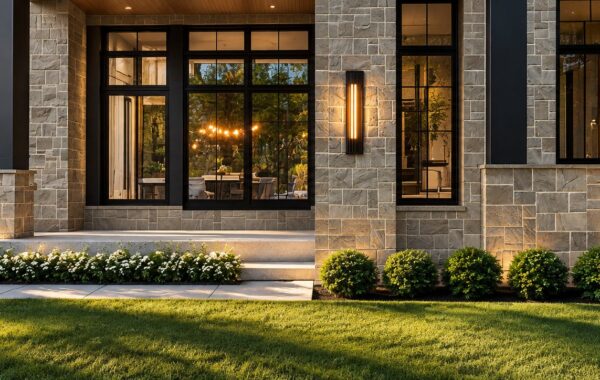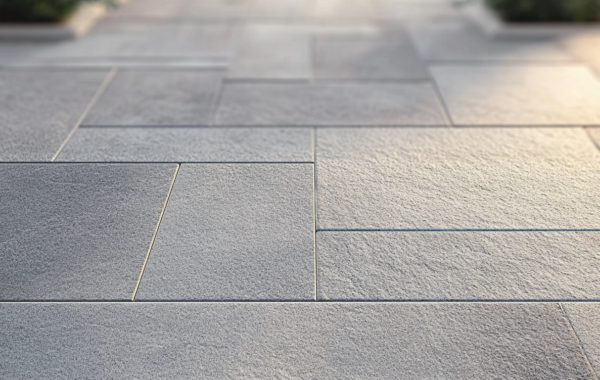



Quick answer: which pavers are best in Utah?
There is no single best paver for every Utah project. Natural stone pavers offer authentic variation and a long-lasting material character. Porcelain pavers offer consistent color, low absorption and large formats. Concrete pavers are a manufactured, budget-friendly option for large areas and interlocking driveways. Choose by the application, the local climate, the look you want and the installation method, then compare the complete delivered cost.
Know your square footage?
Send Stone Era your measurements, the intended use and the delivery address for paver options and current pricing.
The three main types of pavers in Utah
Most Utah patios, pool decks and walkways use one of three paver families. Natural stone pavers are cut from quarried stone such as marble, travertine, limestone and bluestone. Porcelain pavers are kiln-fired tiles made thick enough for outdoor use in stone, concrete and terrazzo looks. Concrete pavers are manufactured units made in molds, available in many shapes and colors.
The differences show up in appearance up close, how the surface ages, how the pavers are installed and how the total cost adds up. Browse Stone Era’s natural stone and porcelain pavers to see the range.
| Consideration | Natural stone | Porcelain | Concrete pavers |
|---|---|---|---|
| Appearance | Natural variation in tone, veining and texture | Consistent color and pattern in many looks | Wide range of shapes and colors; manufactured look |
| Common thickness | Often around 3 cm for patios; thicker for heavier use | Commonly 2 cm (about ¾″) | Commonly about 2⅜″ (60 mm) for patios; thicker for driveways |
| Over time | Weathers and develops patina | Color stays consistent | Surface color can soften as the face wears |
| Typical fit | Material character, matching coping and walls | Large sun-exposed decks, pedestal systems, contemporary designs | Large budget-driven areas and interlocking driveways |
Choose pavers by application
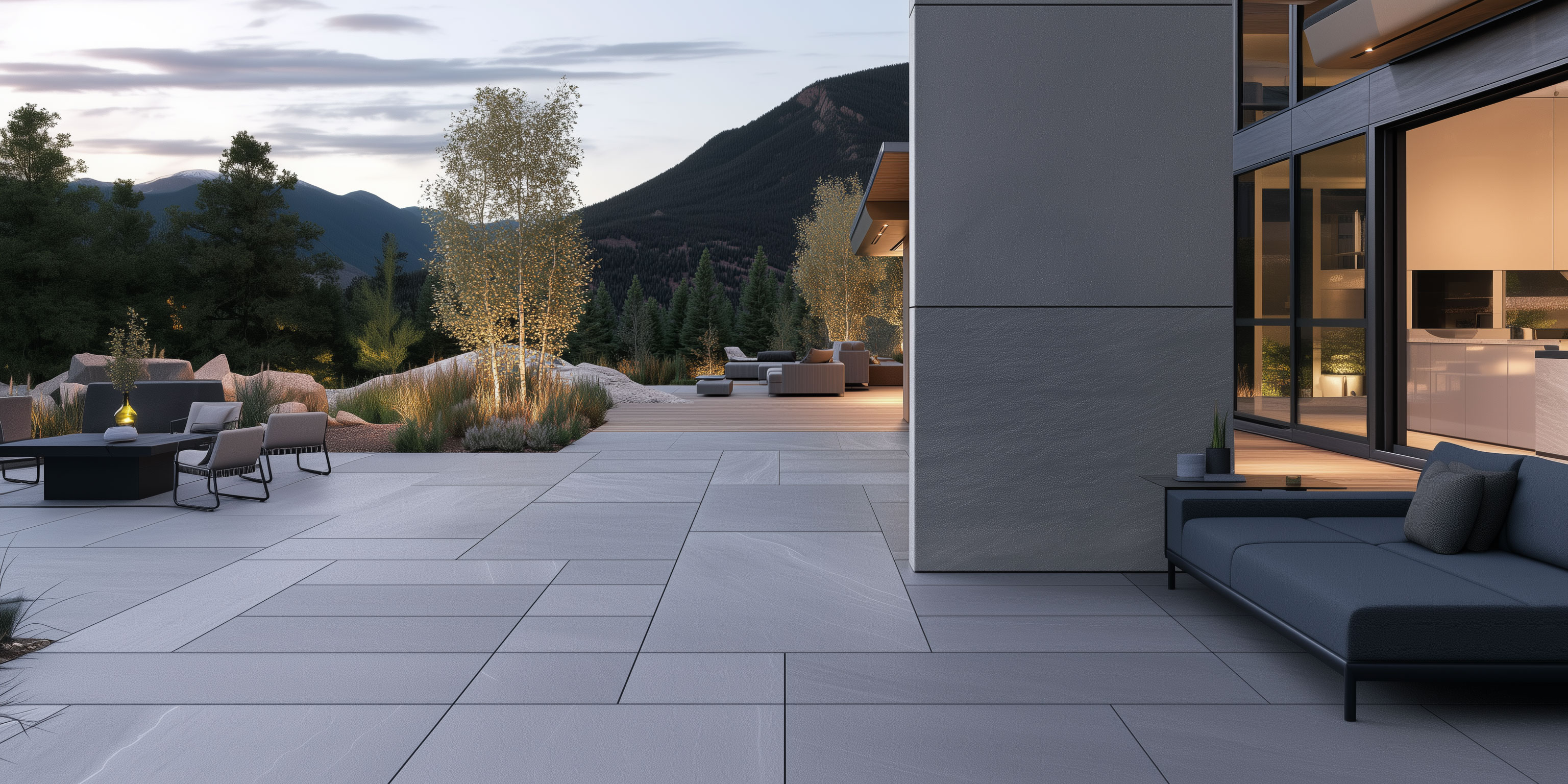
Patios and terraces are where most of the budget goes and where the paver sets the tone for the whole outdoor space. Large-format natural stone or porcelain reads calm and contemporary; mixed-size pattern kits feel more traditional. Pool decks add wet surfaces, bare feet and sun, so compare texture, surface heat and the matching pool coping together rather than separately.
Walkways and entries are seen up close and connect the paving to the house, so they are a good place to repeat the tone of the natural stone on the elevation. Driveways carry vehicle loads and need a base and paver designed for that traffic. Tell your supplier early if an area will take vehicles, because not every paver is suited to it.
Choose for Utah’s climate
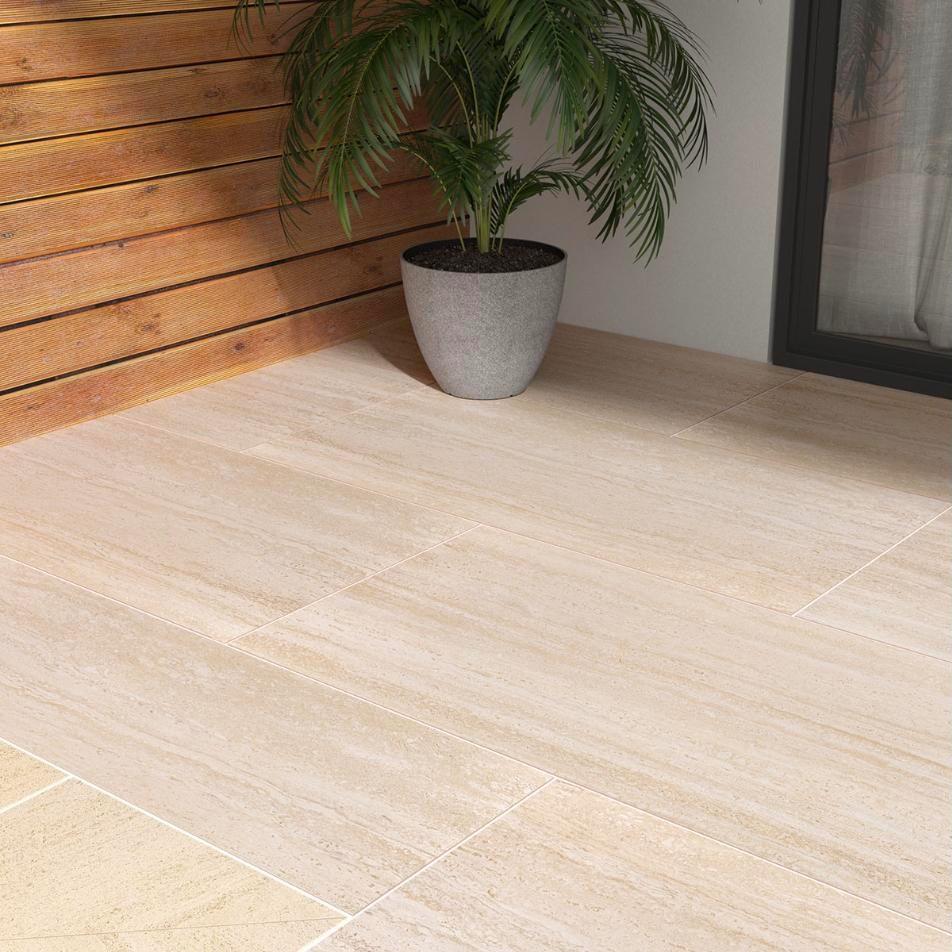
Utah is not one climate. Along the Wasatch Front, from Salt Lake City to Utah County, paving goes through winter freeze–thaw cycles, snow removal and deicers. In Park City and Heber, snow stays longer and meltwater is a bigger factor. Base, drainage and the specific product’s suitability matter more than the material category. Read Choosing Exterior Stone for Utah’s Freeze–Thaw Conditions for what to check.
In St. George and southern Utah, surface heat and glare usually matter more than frost. Lighter colors generally stay cooler than dark ones, and textured finishes reduce glare. Compare samples in full sun at the time of day the space will be used.
Format, pattern and finish
Decide the pattern before the color. A single large format, such as 24″ x 48″, creates long clean lines; a mixed-size pattern carries variation and hides small differences in color. Finish changes how the surface feels underfoot and how it reflects light: tumbled and brushed natural stone feel softer and more traditional, flamed and sandblasted surfaces add grip and texture, and matte porcelain gives an even, modern surface. For more on patterns, see Flagstone vs. Squares & Rectangles.
Installation: base and setting method
Pavers can be dry-laid over a compacted aggregate base, mortar-set over a concrete slab, or, for porcelain, set on adjustable pedestals over a roof membrane or slab. Each method changes the thickness you need, the joint width, drainage and labor. A driveway and a dining terrace can use the same stone and still need completely different builds, so settle the method with your installer, and plan drainage, before comparing paver prices.
What drives paver cost in Utah?
Paver pricing is usually quoted per square foot, with pattern kits sold by the kit or square foot and coping by the piece or linear foot. The total depends on the product, thickness, format, finish, quantity, waste allowance, special pieces such as treads and coping, and delivery. To compare offers fairly, put each quote into the same unit and scope; How Much Does Natural Stone Cost in Utah? walks through how.
If you are weighing porcelain against natural stone, Porcelain vs. Natural Stone Pavers in Utah compares maintenance, heat and installation in more detail.
Browse materials from this guide
See available formats and finishes, then request current pricing.
- Alabaster White Limestone Pavers
- Chestnut Brown Travertine Pavers
- Desert Sand Travertine Pavers
- Azteca Limestone Historical
- Asheville Sandstone Historical
- Charcoal Cement Porcelain Pavers
- Salt Flat Porcelain Pavers
- Snowline Porcelain Pavers
Frequently asked questions
Where can I buy pavers in Utah?
Stone Era supplies natural stone and porcelain pavers to projects across Utah, including Salt Lake City, Draper, Utah County, Ogden and Davis County, Park City, Heber, Alpine, Highland and St. George. Delivery is quoted by project.
Are natural stone pavers good for Utah winters?
They can be when the specific stone suits exterior paving and the base, drainage and setting method are designed for freeze–thaw exposure. Confirm with the selected product’s technical data.
Can pavers be used on a driveway?
Some can. Driveways need a base, thickness and setting method designed for vehicles, and not every paver is suited to vehicle traffic. Ask before ordering.
Can I match my pavers to the stone on my house?
Yes. Bring the veneer selection or a photo of the elevation and choose pavers from the same tone and texture family so the ground plane and the building read together.
Ready to price your pavers?
Send square footage, the intended traffic, access details and whether the order should arrive at once or in phases.